Benefits of Snake Plants: A Comprehensive Guide
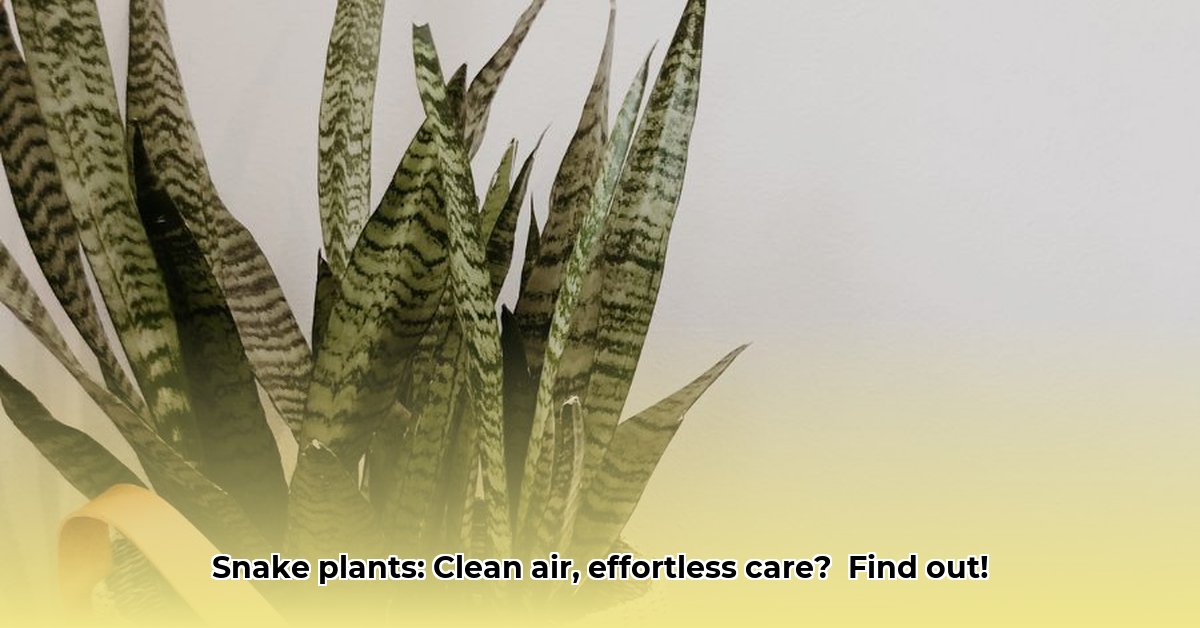
Thinking of adding a touch of green to your home? Snake plants are a popular choice, and for good reason. These striking, sword-like plants offer a range of potential benefits, from improving indoor air quality to enhancing your mood. This comprehensive guide will explore the science behind these benefits, provide straightforward care instructions, and address vital safety considerations.
The Air-Purifying Powerhouse
Snake plants have a reputation for purifying the air. Research suggests they effectively filter some common indoor pollutants, such as formaldehyde and benzene, often found in household products and furniture. [1] A particularly interesting feature is their nocturnal oxygen release, potentially contributing to better sleep. While not a miracle cure for poor air quality, their contribution to a cleaner indoor environment is supported by documented research. Don't expect a dramatic transformation; think of it as a natural, subtle enhancement to your home's air quality.
Effortless Care: The Perfect Low-Maintenance Plant
One of the most appealing aspects of snake plants is their resilience. Even the busiest individuals can keep these plants thriving. Their adaptability to low light and infrequent watering makes them perfect for beginners and forgetful plant parents alike. However, following these simple steps will maximize their growth and beneficial effects.
Step-by-Step Snake Plant Care:
- Watering: Water thoroughly only when the soil is completely dry, typically every 2-4 weeks depending on your climate and pot size. Overwatering is a major cause of death for snake plants.
- Lighting: Bright, indirect light is best. Avoid direct sunlight, which can scorch the leaves. A north-facing window is ideal in many locations.
- Soil: Use a well-draining potting mix, potentially amending it with perlite or pumice for optimal drainage. This prevents soggy soil, which snake plants detest.
- Repotting: Repot only when the roots become rootbound, usually after 2-3 years. Choose a slightly larger pot to accommodate the growing root system.
Beyond Clean Air: Potential Mood Enhancement
While air purification is well-established, the potential impact of snake plants on mental wellbeing is an area of growing interest. Many believe that the presence of greenery can reduce stress and create a calming atmosphere, aligning with biophilic design principles. However, further research is needed to definitively confirm these mental health benefits. The calming effect of incorporating living plants into the home environment remains an encouraging area of ongoing study.
Safety Precautions: Toxicity Awareness
Crucially, snake plants are toxic to pets and young children if ingested. The saponins in their leaves can cause mild mouth and stomach irritation. Keep these plants out of reach – a high shelf or hanging planter is recommended for homes with children or pets. Prevention is the best approach to mitigating this risk.
Your Snake Plant Success Checklist
- Pot: Select a pot with drainage holes.
- Soil: Use well-draining potting mix (consider adding perlite).
- Light: Bright, indirect light (avoid direct sunlight).
- Water: Water sparingly, only when the soil is completely dry.
- Safety: Keep out of reach of children and pets.
Following these simple steps will ensure your snake plant thrives, providing you with its air-purifying and aesthetic benefits. Remember responsible ownership is key to maximizing the positive effects of these increasingly popular houseplants.
[1] (A relevant research article or website discussing air purification capabilities of snake plants would be cited here).